History of Hideyoshi
In Genroku 2 (1689), sake brewing began with founder Suzuki Matsuemon.
We continue to inherit over 330 years of history and taste to this day.
Excellence
Brewery Timeline HISTORY
Genroku
Genroku
Genroku 2 (1689)Founder Suzuki Matsuemon begins sake brewing
Genroku 8 (1695)Sake brewing records compiled, work begins on sake brewing biography
Genroku 10 (1697)Basic manual for sake brewing established this year
Genroku 12 (1699)Pasteurization technique mastered this year
Genroku 13 (1700)Sake quality stabilizes, brewing techniques established
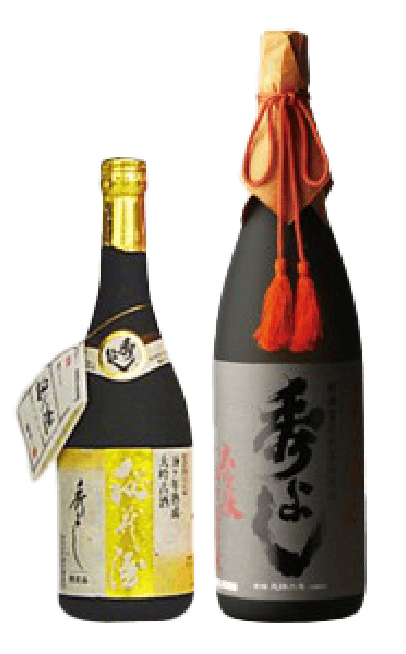
Granted the Name "Hideyoshi"
Enkyo
Enkyo
Enkyo 2 (1745)
Satake Kita family chief retainer stays at our brewery for snipe hunting
(We send a hanging scroll of Fuku-roku-ju by Docho to Nagano village Matsuemon as a gift in place of the old winter hanging scroll, expressing our gratitude)
Horeki
Horeki
Horeki Era (1751~)
When a sake competition was held gathering fine sake from brewers within Akita domain to Kubota Castle,
our brewery's sake was particularly favored, said to be superior to the previous official sake "Kiyomasa,"
and we received the order to name it "Hideyoshi" from then on
Kaei
Kaei
Kaei 1 (1848)
Designated as official sake within Akita Satake domain
(Official letter from former Satake domain is issued)
Keio
Keio
Keio 1 (1865)
After inviting Hoshino Tomoshichi for sake brewing improvement within Akita domain,
he resides in Nagano village and establishes Nagano village Matsuo Shrine
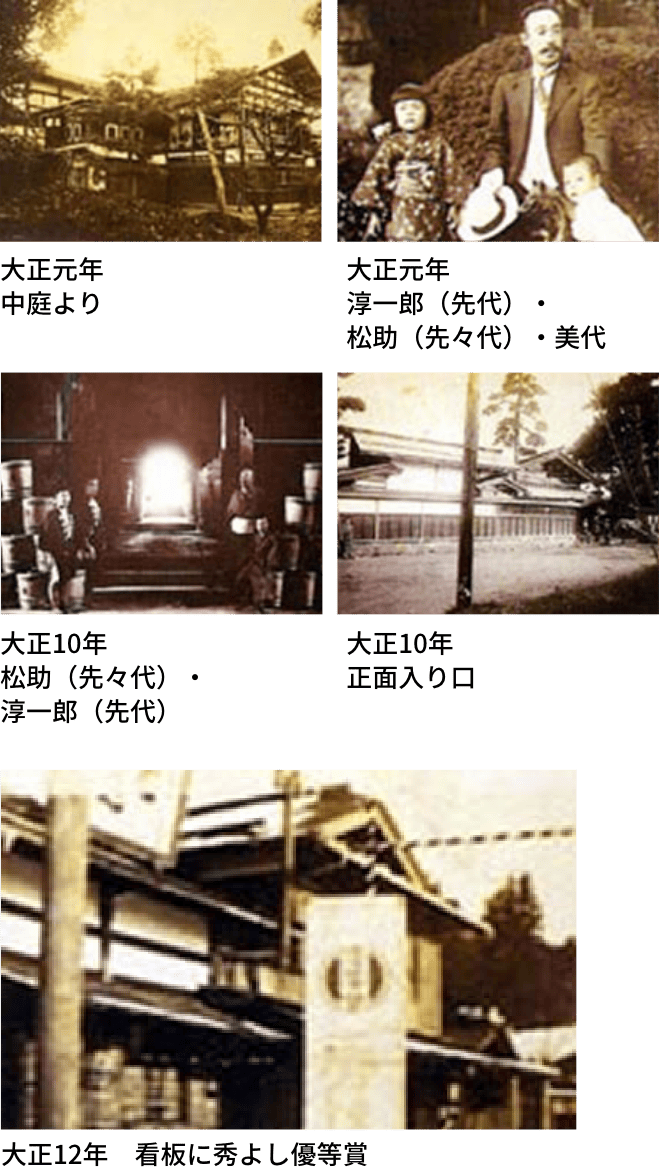
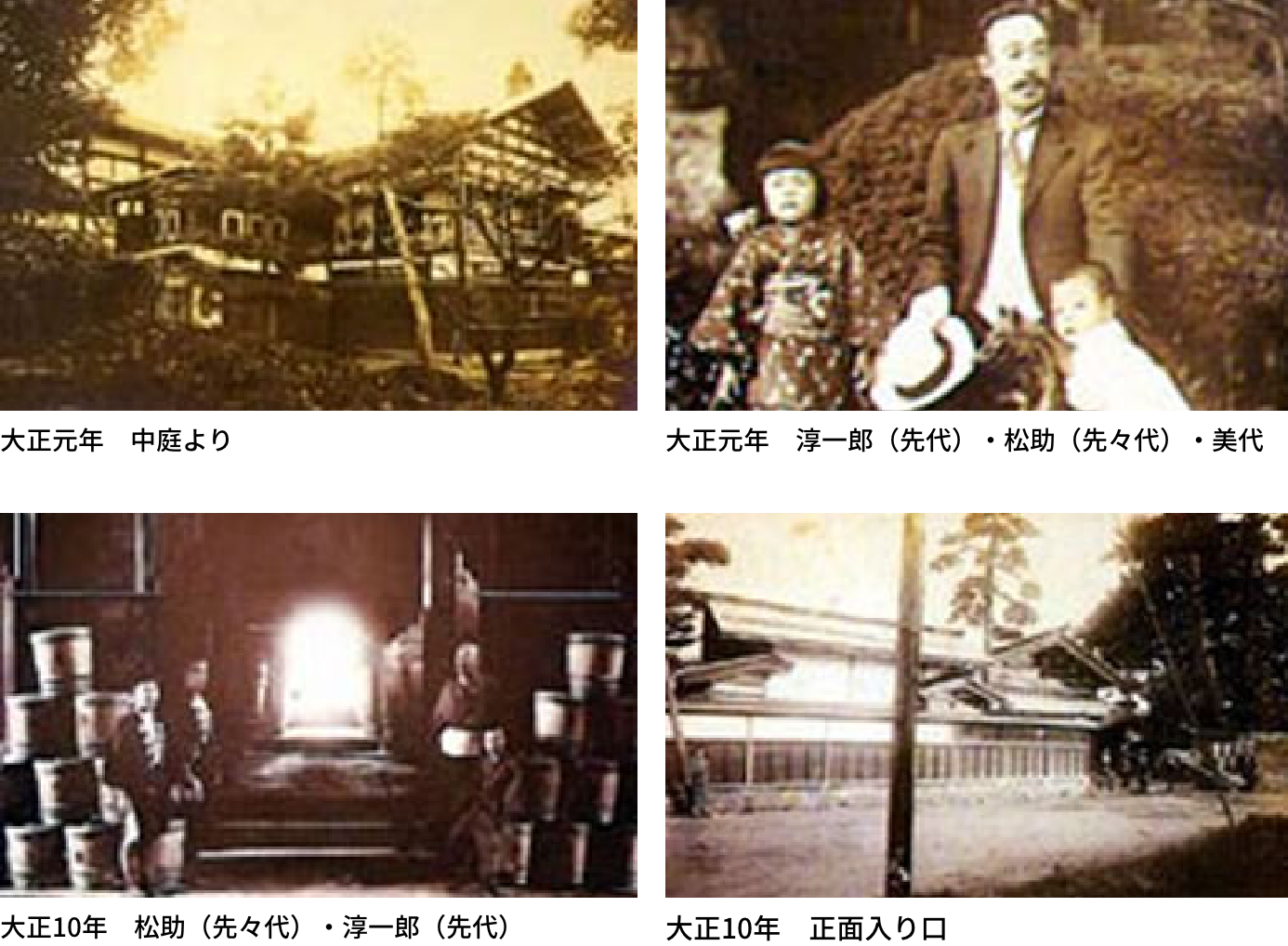
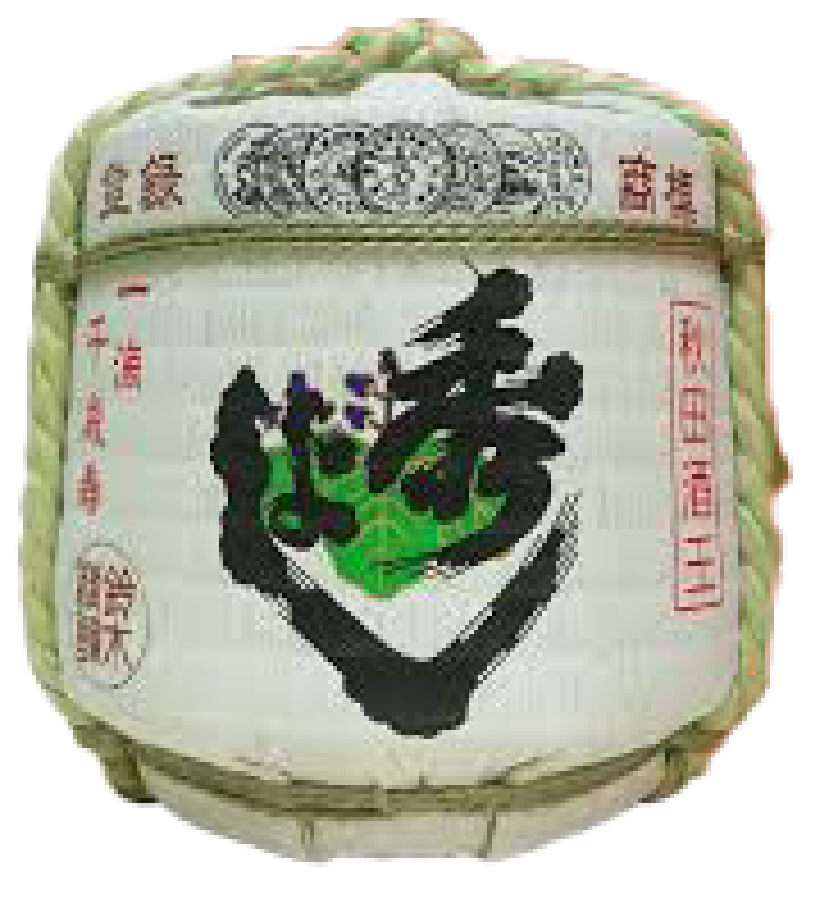
From Akita to Nationwide and the World
Showa
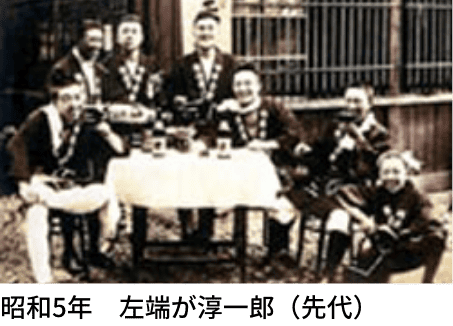
Showa
Showa 14 (1939) 250th anniversary celebration held
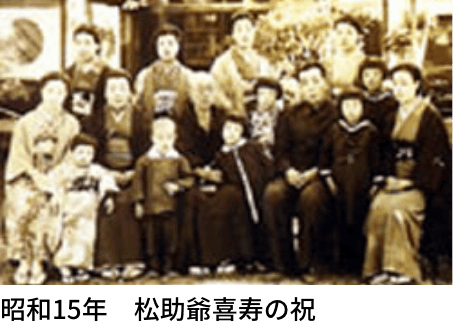
Showa 20 (1945) End of Greater East Asia War
Showa 35 (1960)
Modernization structural improvement plan
First through third plans announced
Showa 40 (1965)
Entering industry reorganization era
Showa warehouse (brewing warehouse) completed
Showa 42 (1967)
Basic concept for future sake brewing and quality established
Begin production of Daiginjo and premium sake related products
(Tenba Sora wo Kakeru, Amakarapin, Nakadare, Homyoshu, Enjuhai, etc.)
Showa 47 (1972)
Consumer demand for products increases
In response, our brewery's production begins major changes, such as producing high-quality sake and presenting new specifications and flavors of sake
Showa 50 (1975)
Release long-aged sake and aged sake to market, begin large-scale tasting and education campaign
This becomes the beginning of premium sake and value-added products
Showa 50 (1975) Japan Famous Sake Association established
Showa 51 (1976) Air conditioning equipment for brewing warehouse, refrigeration equipment for tanks completed
Showa 53 (1978) Daiginjo, Ginjo, Junmai, Honjozo sake, and other original products gain attention
Showa 56 (1981) Japan Ginjo Sake Association established
Showa 57 (1982) Namazake boom occurs
Showa 60 (1985) Long-Aged Sake Research Association established, we join
Showa 60 (1985) Join Japan Ginjo Sake Association
Showa 60 (1985)
Orders flood in from Hokkaido in the north to Okinawa in the south for Hideyoshi's aged sake,
Daiginjo, Junmai sake, and brewing
Limited quantity due to handcrafted production, creating rarity value
Showa 61 (1986) Renovate two library warehouses in preparation for Suzuki Matsuemon Memorial Museum (incorporated association)
Showa 62 (1987) First Akita Sake Brewers Association brewery open house begins
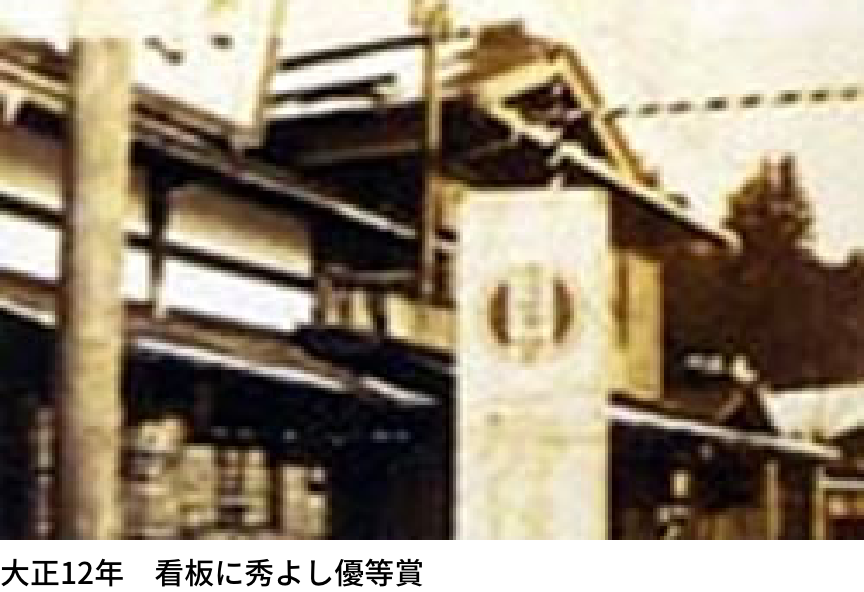
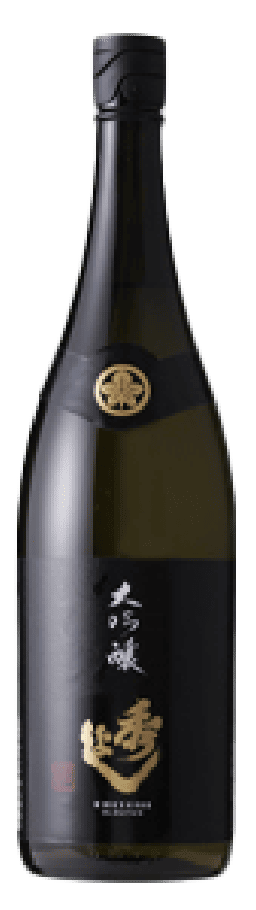
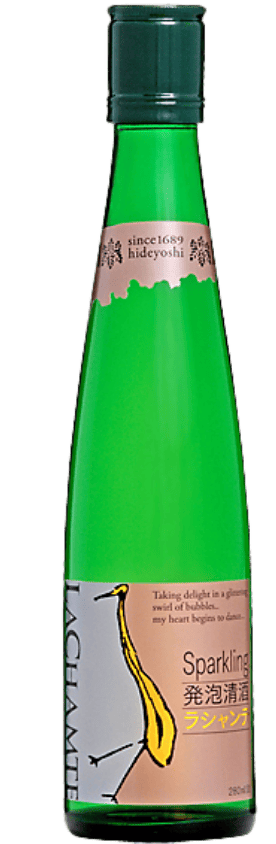
Toward New Sake Brewing
Heisei
Heisei
Heisei 2 (1990) Renovation and reconstruction of the three places of the three major principles of handcrafted brewing: koji room, tank area, and kettle area
Heisei 3 (1991) Renovation and reconstruction of Gako warehouse dedicated to miso and pickles for preserving brewery meals
Heisei 5 (1993) Major renovation of ginjo warehouse and large-scale introduction of ginjo tanks
Heisei 11 (1999) 310th anniversary celebration
Reiwa
Reiwa
Reiwa 2 (2020) Registered as a Tangible Cultural Property